Monday, 31 October 2022

,

By Stijn Mitzer and Joost Oliemans
 
Most who follow international affairs know about Türkiye's rise to a global drone power. Not nearly as widely known is the fact that the precision-guided munitions carried by Turkish drones are being introduced just as swiftly as the drones carrying them. This meanwhile comprises an expansive arsenal of guided munitions cleared for use on several types of unmanned combat aerial vehicles (UCAVs) and combat aircraft. The latter includes the upcoming Hürjet jet trainer and Kaan (TF-X) stealth fighter. The fact that all of these munitions adhere to NATO standards for munitions means that countries can easily integrate Turkish-produced munitions on their own aircraft, which might be precisely what ensures their commercial success.

Sunday, 30 October 2022

,
By Stijn Mitzer and Joost Oliemans

Spurred on in the early 2010s by the growing international unmanned aerial vehicle (UAV) market, Belarus has gone on to develop a wide range of UAVs. But despite the country's success as an exporter of armoured fighting vehicles (AFVs) and surface-to-air missile (SAM) systems, foreign clients have so far largely avoided Belarus as a source of their UAVs. Only Angola and Turkmenistan are currently confirmed to operate Belarusian UAVs, which the latter also produces under license. Further deals signed with Egypt, Ecuador and Vietnam for cooperation and possible production of Belarusian UAVs in these countries has so far not led any of these countries to actually operationally deploy any Belarusian UAV types. [1] [2]

Wednesday, 26 October 2022

,

By Stijn Mitzer and Joost Oliemans
 
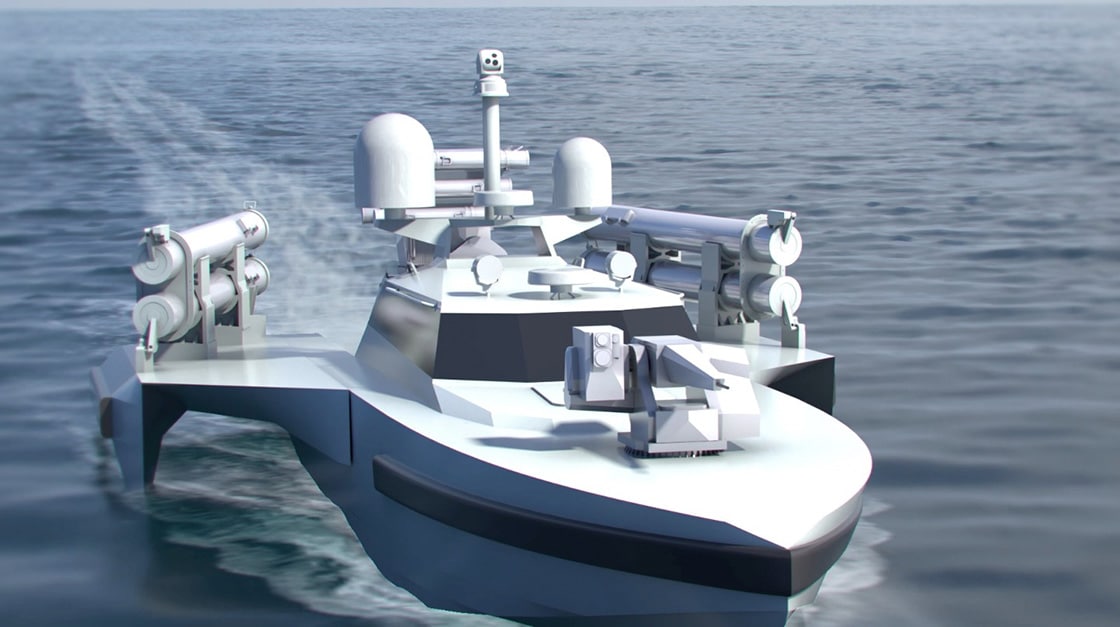
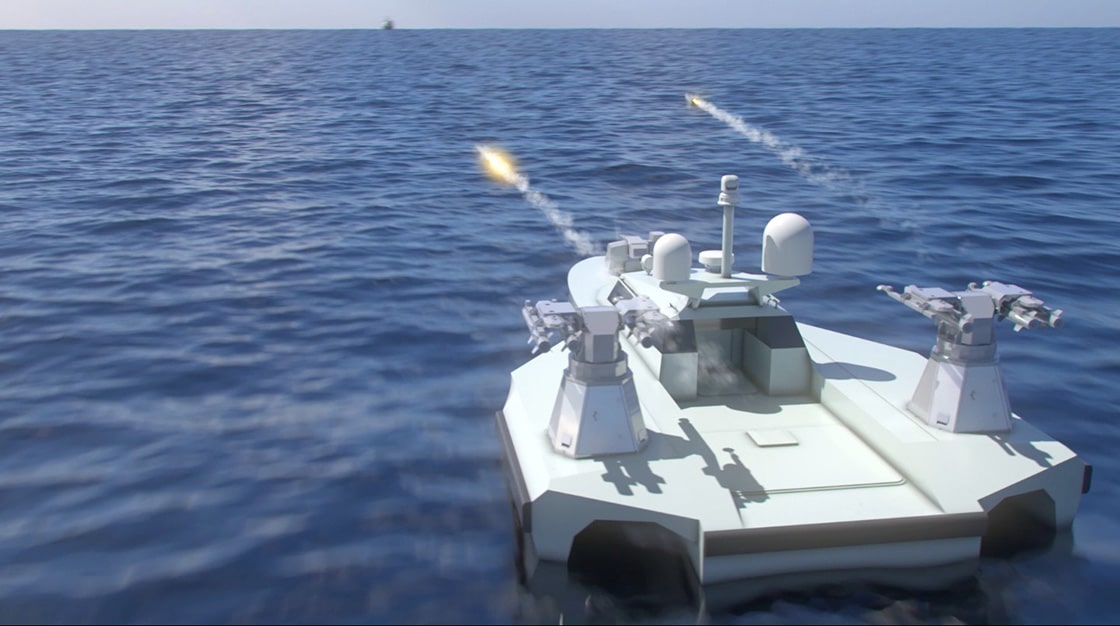
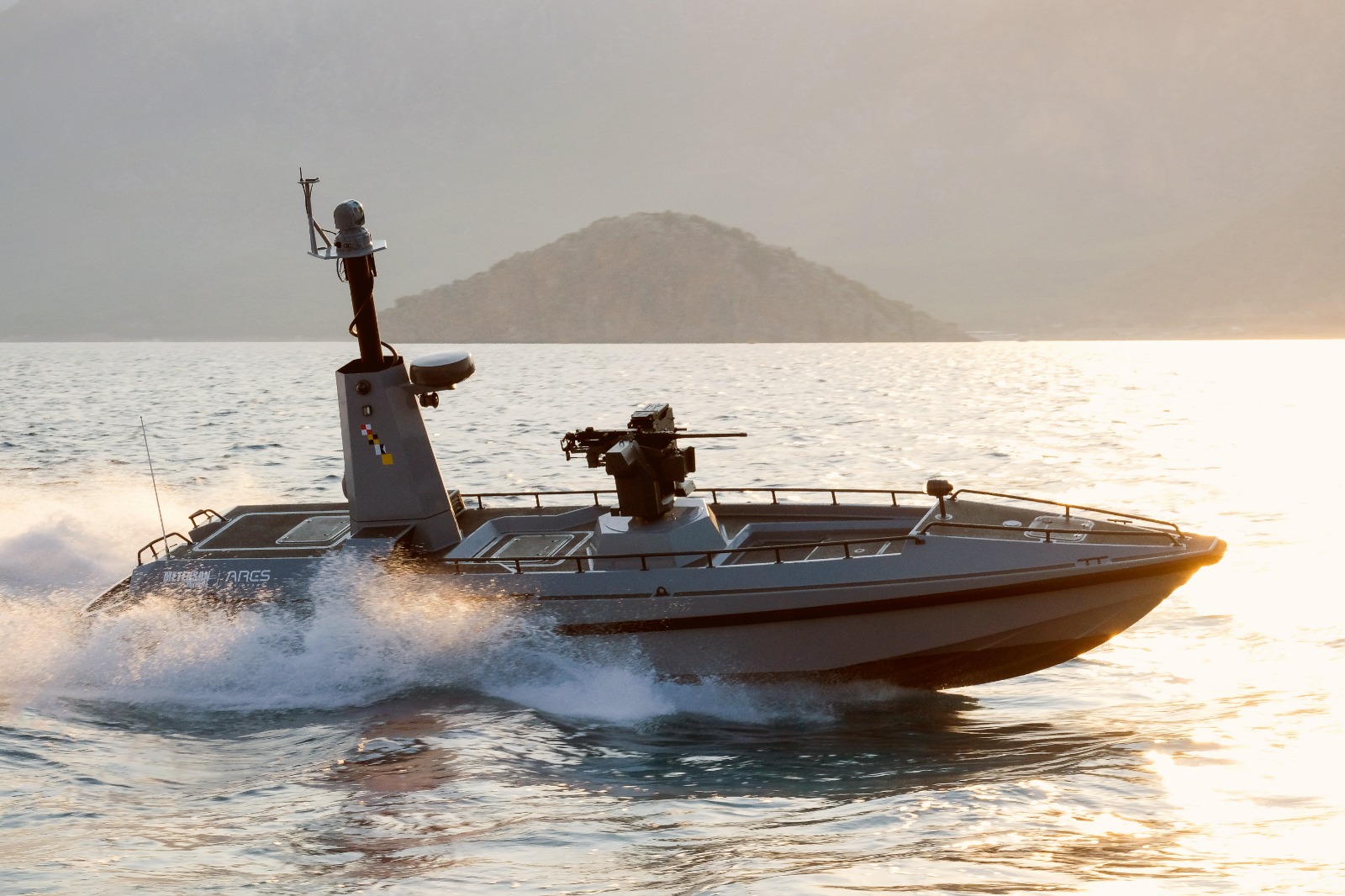
Although most military analysts are well aware of Türkiye's rise as a major drone power, meanwhile also boasting the first production multi-role unmanned combat aircraft in the world, not nearly enough know about the strides it is making in the design of unmanned surface vessels (USVs). [1] The year 2021 witnessed the unveiling of three armed unmanned surface vessel (AUSV) types, the ULAQ-series by ARES, the NB57/RD09 by Sefine and the USV 11/15 by Dearsan. Thanks to these designs, its UCAVs and a great number of unmanned ground vehicles (UGVs) and autonomous underwater vehicles (AUVs), Türkiye is well on its way to becoming the market leader in unmanned weapons systems.

Thursday, 20 October 2022

,

By Stijn Mitzer and Joost Oliemans

The Malaysian government seeks to turn the country into Southeast Asia's testing ground for drones, where international companies will design and produce unmanned aerial vehicles (UAVs) for carrying out deliveries and to provide other unique services. [1] Considering these unmanned ambitions, it is perhaps all the more surprising that the Malaysian government has invested little in the acquisition of UAVs for its armed forces, despite the presence of an indigenous drone industry that has come up with several different military-grade drone designs since the early 2000s.

Tuesday, 18 October 2022

,

By Stijn Mitzer and Joost Oliemans
 
Turkmenistan has accumulated an exotic arsenal of armoured fighting vehicles (AFVs) acquired from a colourful range of countries worldwide. Intriguingly, at least some of those acquisitions appear to stem from an intention of increasing ties with a particular country rather than of actually fulfilling a genuine military requirement for that type of equipment. This 'friendship through arms' policy comes at the cost of an increasingly complicated logistic system that by now has to source spare parts from nine different countries for Turkmenistan's fleet of infantry mobility vehicles (IMVs) alone!

Monday, 17 October 2022

,

By Stijn Mitzer and Joost Oliemans

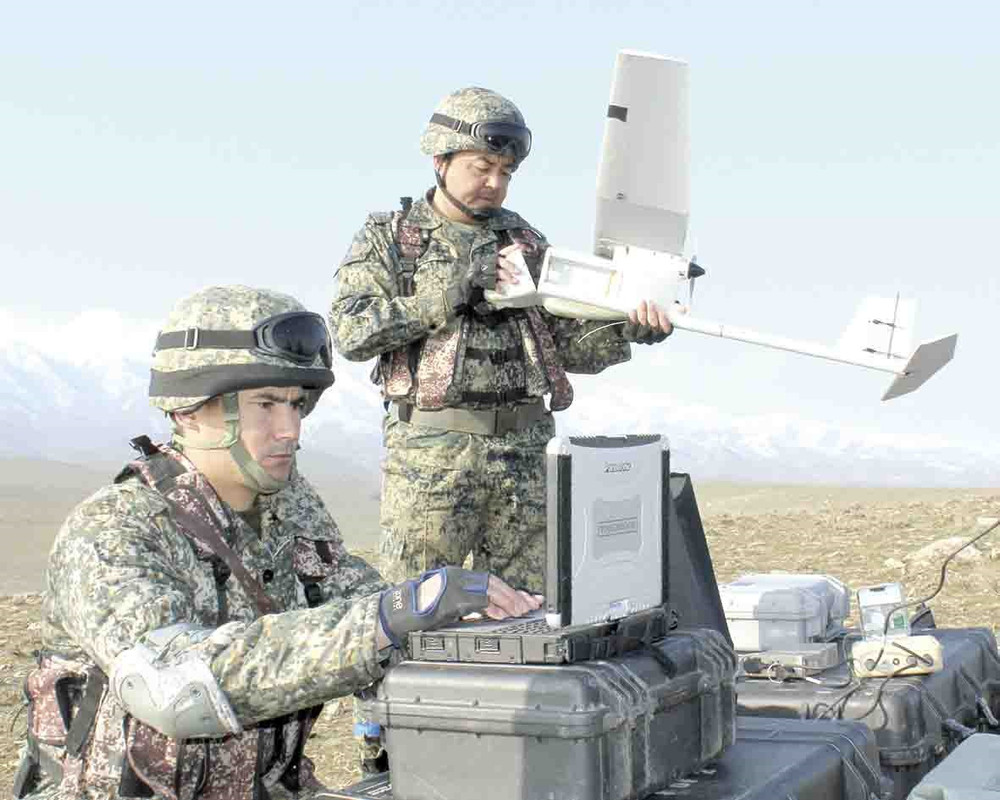
The Central Asian region isn't exactly well-known for its armed-drone prowess. Kazakhstan and Kyrgyzstan currently operate small numbers of unmanned combat aerial vehicles (UCAVs), with Kyrgyzstan having entered the age of drone-powered warfare only in late 2021. [1] Whilst Uzbekistan possesses a modest unmanned aerial reconnaissance capability in the form of several RQ-11 Ravens received from the US in 2018, it can be argued that only one Central Asian country has been constantly expanding its unmanned arsenal to keep up with the newest trends: Turkmenistan.
,

By Stijn Mitzer and Joost Oliemans

Vietnam has sought to address its security requirements by fielding a large military apparatus equipped with mostly Soviet-era weaponry that can be quickly reinforced by a massive reserve force armed with anything from World War II-era Soviet rifles to U.S. Main Battle Tanks dating from the 1960s. Modern equipment is relatively lacking in the inventory of the Vietnamese People's Army (VPA), with Vietnam instead preferring to upgrade existing weaponry to keep it combat effective in the 21st century. A prime example of this is the T-54M3 tank upgrade project.