Showing posts with label Unmanned Aerial Vehicles. Show all posts

Saturday, 7 January 2023

,

By Stijn Mitzer and Joost Oliemans

İstikbal göklerdedir. Göklerini koruyamayan uluslar, yarınlarından asla emin olamazlar. - The future is in the skies. Because nations that cannot protect their skies, can never be sure of their future. (By Mustafa Kemal Atatürk)
 
December 14th, 2022. The Bayraktar Kızılelma unmanned combat aircraft conducts its maiden flight from Tekirdağ-Çorlu-Atatürk Airport. Fast rewind 85 years to September 1937, when the first of 20 Martin 139WT bombers purchased from the U.S. lands at Tekirdağ-Çorlu-Atatürk Airport to begin its service with the Turkish Air Force. From receiving its first true bomber aircraft from the U.S. at Çorlu in 1937 to the test flight of its first indigenously-designed unmanned combat aircraft from Çorlu 85 years later, Türkiye has made great strides in becoming a defence giant.
Wednesday, 4 January 2023

,

By Stijn Mitzer and Joost Oliemans
 
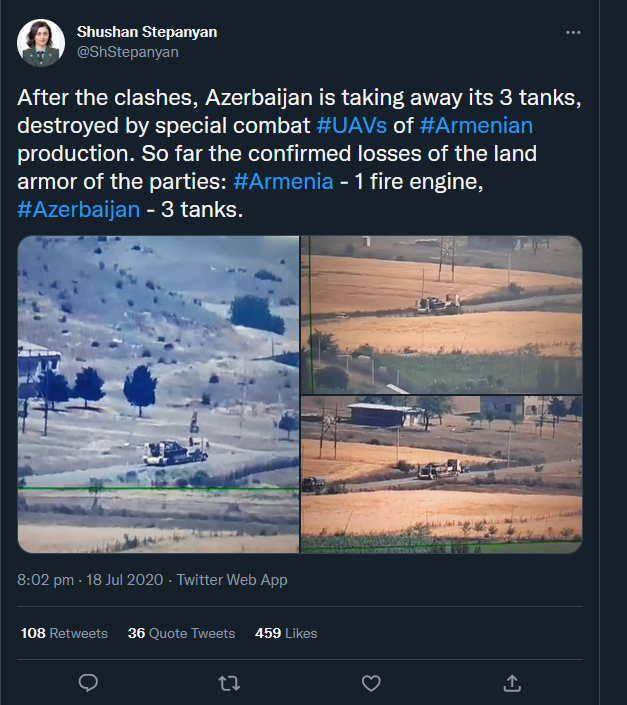
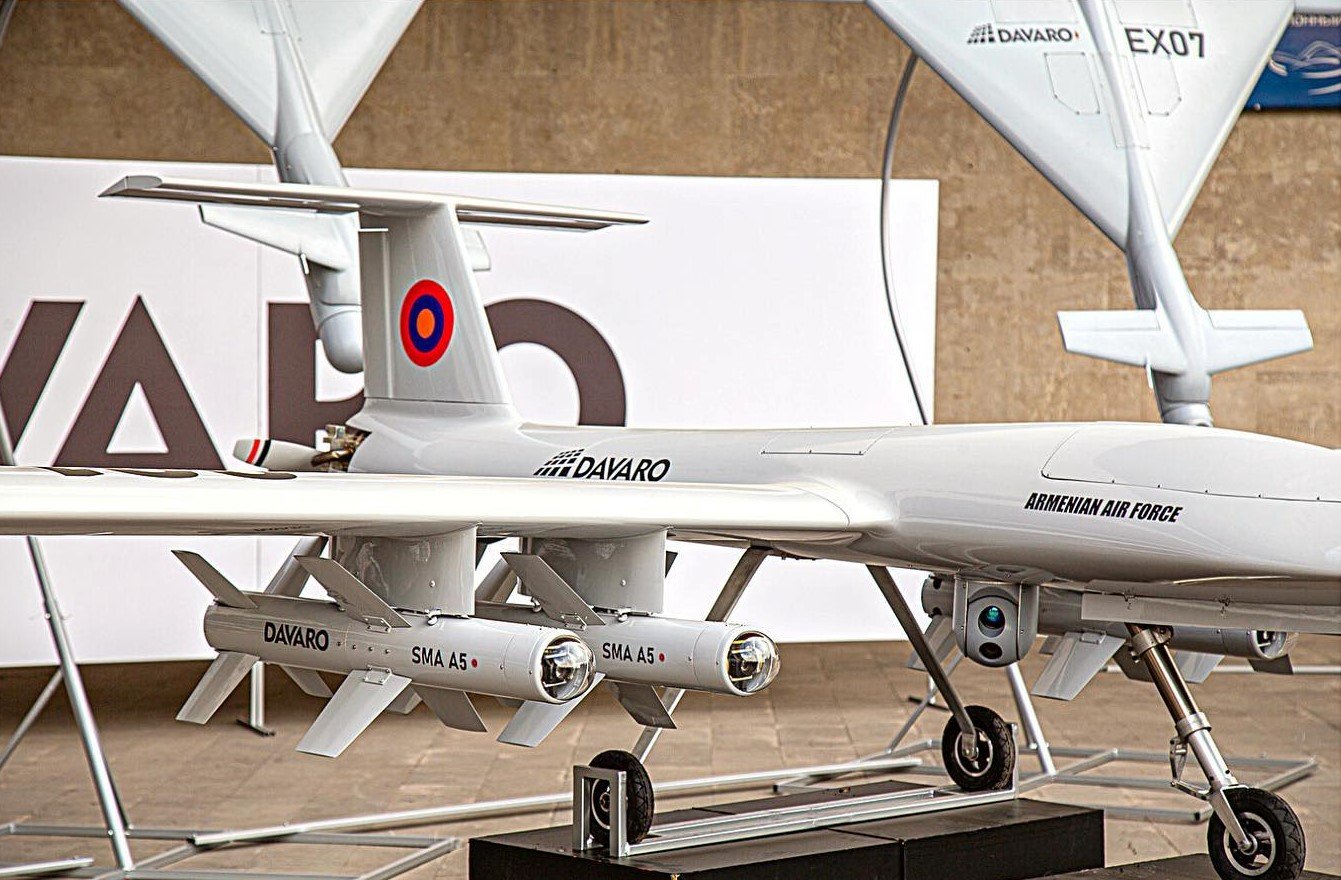
Considering the significant investments made by Azerbaijan in the acquisition of unmanned aerial vehicles (UAVs), it is perhaps surprising that Armenia entered the 2020 Nagorno-Karabakh War with only a rudimentary unmanned aerial reconnaissance capability, and almost no unmanned offensive capabilities to speak of. [1] While the Armenian Ministry of Defence boasted of having destroyed three Azerbaijani MBTs through the use of domestically-made loitering munitions during the July 2020 Armenian–Azerbaijani clashes, the 2020 Nagorno-Karabakh War showed that despite this zealous claim, no such capabilities truly existed in the inventory of the Armenian Armed Forces at that time. [2]

Sunday, 27 November 2022

,

By Stijn Mitzer and Joost Oliemans

Iran's drone success sets the stage for an expansion of its sphere of influence as the number of countries where Iranian UAVs operate is growing. This not only includes a vast number of non-state actors such as Hizbullah in Lebanon, the Houthis in Yemen and the Popular Mobilization Forces in Iraq, but also countries like Ethiopia (which began to operate its Mohajer-6 UCAVs in late 2021 after some initial teething issues), Russia and Tajikistan. It seems like the number of state actors operating Iranian UAVs is only set to increase in the future, while non-state actors like the Houthis will continue to receive new Iranian drone designs as the country's UAV designs are rapidly evolving despite the implementation of foreign sanctions specifically targeting Iran's drone industry and its exports abroad.

Sunday, 6 November 2022

,

By Stijn Mitzer and Joost Oliemans

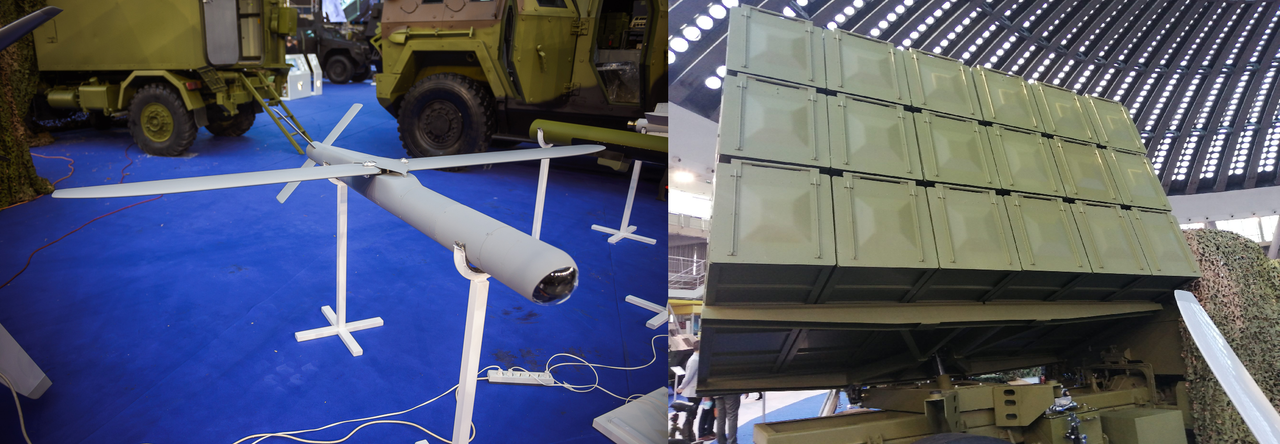
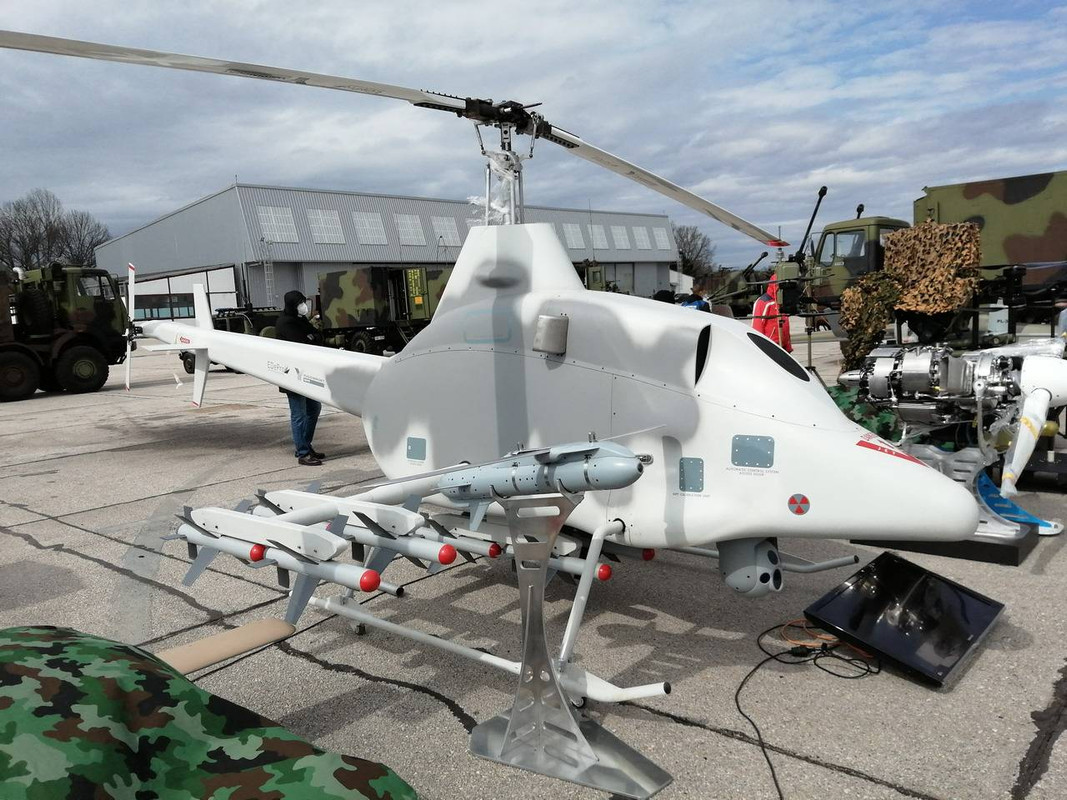
The Serbian arms industry is flourishing, with anything from small arms to advanced guided weaponry being designed and produced for the Serbian Army and for a number of international customers including the UAE, Cyprus, Turkmenistan and Bangladesh. This meanwhile has come to include a number of unmanned aerial vehicle designs that have already entered service with the Serbian Army in limited quantities. More ambitious designs are also in the pipeline, including the Pegaz 011 UCAV, the Gavran 145 loitering munition and the X-01 Strsljen helicopter UCAV.

Sunday, 30 October 2022

,
By Stijn Mitzer and Joost Oliemans

Spurred on in the early 2010s by the growing international unmanned aerial vehicle (UAV) market, Belarus has gone on to develop a wide range of UAVs. But despite the country's success as an exporter of armoured fighting vehicles (AFVs) and surface-to-air missile (SAM) systems, foreign clients have so far largely avoided Belarus as a source of their UAVs. Only Angola and Turkmenistan are currently confirmed to operate Belarusian UAVs, which the latter also produces under license. Further deals signed with Egypt, Ecuador and Vietnam for cooperation and possible production of Belarusian UAVs in these countries has so far not led any of these countries to actually operationally deploy any Belarusian UAV types. [1] [2]

Thursday, 20 October 2022

,

By Stijn Mitzer and Joost Oliemans

The Malaysian government seeks to turn the country into Southeast Asia's testing ground for drones, where international companies will design and produce unmanned aerial vehicles (UAVs) for carrying out deliveries and to provide other unique services. [1] Considering these unmanned ambitions, it is perhaps all the more surprising that the Malaysian government has invested little in the acquisition of UAVs for its armed forces, despite the presence of an indigenous drone industry that has come up with several different military-grade drone designs since the early 2000s.

Monday, 17 October 2022

,

By Stijn Mitzer and Joost Oliemans

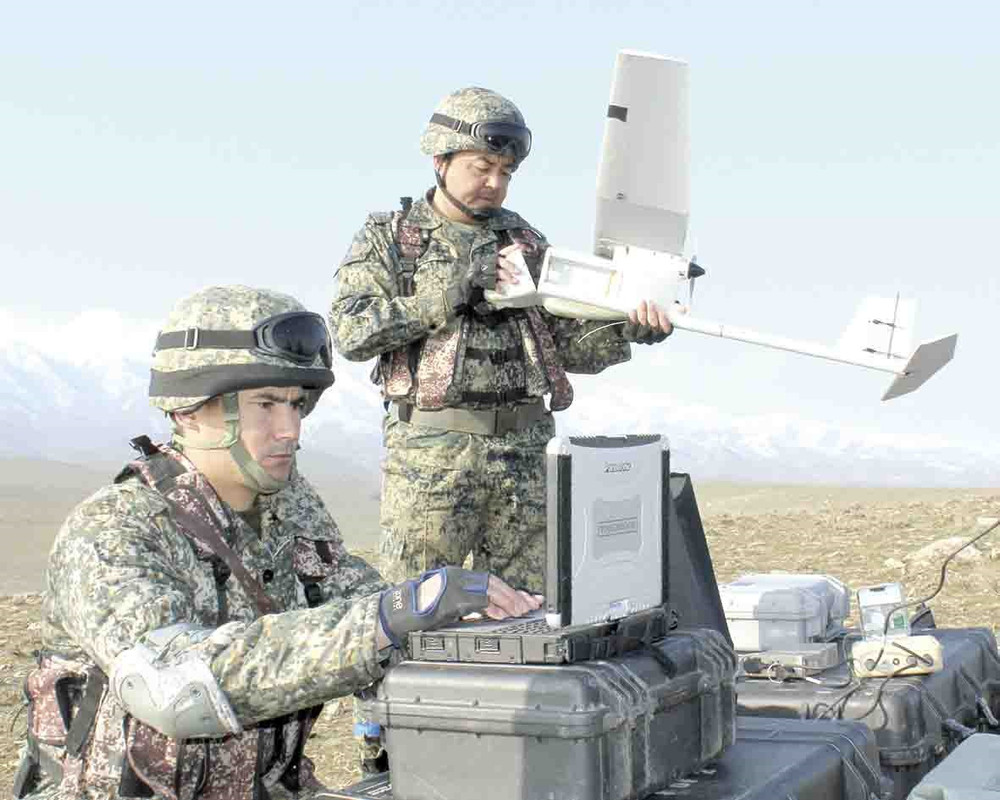
The Central Asian region isn't exactly well-known for its armed-drone prowess. Kazakhstan and Kyrgyzstan currently operate small numbers of unmanned combat aerial vehicles (UCAVs), with Kyrgyzstan having entered the age of drone-powered warfare only in late 2021. [1] Whilst Uzbekistan possesses a modest unmanned aerial reconnaissance capability in the form of several RQ-11 Ravens received from the US in 2018, it can be argued that only one Central Asian country has been constantly expanding its unmanned arsenal to keep up with the newest trends: Turkmenistan.